Call Us Today
Call Us Today
A Specialist on Spherical Roller Bearings Since 1969

- All
- Product Name
- Product Keyword
- Product Model
- Product Summary
- Product Description
- Multi Field Search


Views: 0 Author: Site Editor Publish Time: 2026-01-29 Origin: Site


When it comes to ensuring the smooth operation and longevity of machinery, roller bearings play a pivotal role. These essential components reduce friction, support heavy loads, and allow for the smooth movement of rotating parts in various mechanical systems. Whether you're working with automotive parts, industrial machinery, or construction equipment, fitting roller bearings correctly is crucial for maximizing performance and preventing premature wear.
At WGB Bearing, we specialize in manufacturing high-performance roller bearings that are engineered for reliability and durability. Correctly fitting these bearings is just as important as selecting the right type for your specific application. In this article, we’ll discuss the importance of proper roller bearing fitting, provide an overview of various fitting techniques, and guide you through the installation process step-by-step.
Properly fitting roller bearings is crucial for the functionality, efficiency, and longevity of any machinery. Incorrect installation can lead to early bearing failure, causing significant downtime, high repair costs, and compromised equipment performance. Whether it's a matter of ensuring the correct alignment or selecting the right fitting technique, every step in the fitting process plays a crucial role in the overall operation.
For any system to perform reliably, it is essential to ensure that the roller bearing fits precisely into the designated shaft and housing. An improper fit can lead to misalignment, excess friction, and ultimately damage to the bearing, shaft, or housing. Not only does this increase wear and tear, but it also increases maintenance costs and downtime. A correctly fitted bearing ensures that the machinery operates as intended, reducing the risk of failure and increasing productivity.
At WGB Bearing, we understand the importance of the correct fitting process, which is why we provide expert guidance on the installation of our roller bearings. Our products are designed for precision and optimized for various applications, ensuring seamless integration into your machinery systems.
Before fitting the roller bearing into your machinery, it's crucial to perform a few pre-installation checks. These checks ensure that both the bearing and the surrounding components are in optimal condition for a smooth and successful installation.
One of the most important pre-installation checks is ensuring that both the shaft and housing are clean and free from contaminants. Dirt, debris, rust, and even old lubricants can cause premature wear on the bearing surfaces, leading to inefficiencies and bearing failure. Any contaminants present during the installation process can create resistance between the moving parts, which could lead to irregular wear, heat buildup, and friction.
To avoid these issues, clean both the shaft and housing thoroughly before installation. Use a lint-free cloth, and, if necessary, cleaning solutions that are compatible with the material of the shaft and housing. For a more comprehensive cleaning, a bearing cleaning machine can be used, especially in large-scale applications. Removing all dirt, oil, or grease from the installation surfaces will ensure that the roller bearing fits securely and operates smoothly once installed.
Before proceeding with the installation, it's important to inspect the bearing, shaft, and housing for any signs of damage. Roller bearings should be free from cracks, dents, or any other form of damage. Even minor imperfections can compromise the bearing's performance and lead to premature failure.
Similarly, check the shaft and housing for any irregularities, such as scoring or corrosion. Any damage to these components could prevent the bearing from fitting correctly, leading to misalignment or excessive wear. If you discover any damage, replace the affected parts before proceeding with the installation to ensure a proper fit and maintain the reliability of your machinery.
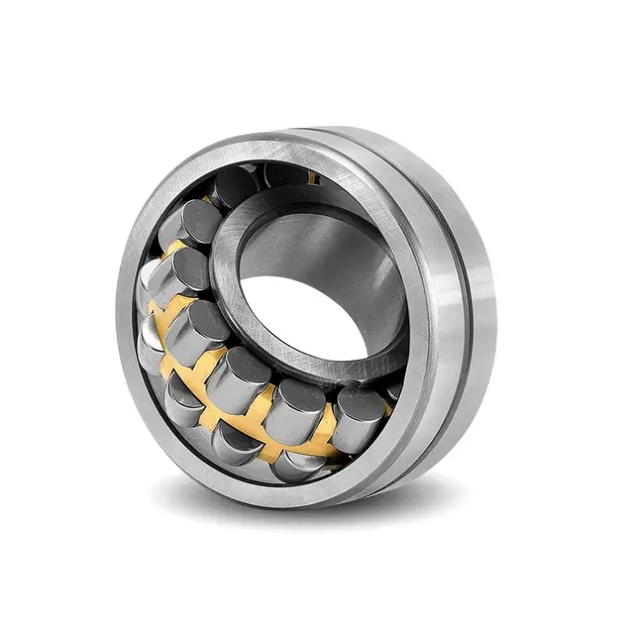
The correct fitting method depends on the type of bearing and the application in which it will be used. There are various techniques to install roller bearings, each suited to different requirements. Let’s explore some of the most common methods for fitting roller bearings into machinery systems.
The press-fit method is one of the most common ways to fit roller bearings, particularly when the bearing needs to be securely mounted onto a shaft or into a housing. This method involves applying mechanical force to press the bearing into place. A press or hydraulic system is typically used to achieve the necessary force.
The press-fit method is best suited for bearings with tight interference fits and is commonly used with cylindrical and spherical roller bearings. However, this method requires careful handling to ensure that the bearing is aligned correctly during installation. If excessive force is applied or the bearing is misaligned, the bearing or housing could be damaged.
For bearings that require a tight tolerance, thermal fitting is an effective method. This process involves heating the roller bearing to expand it or cooling the housing to contract it. The difference in temperature temporarily changes the size of the components, allowing the bearing to be fitted with minimal force. Once the bearing cools down or the housing warms up, the bearing fits snugly into place.
Thermal fitting is ideal for high-precision applications where the interference fit needs to be exact. It is particularly useful when fitting large roller bearings into tight spaces, as it reduces the risk of applying too much force. However, the process requires careful temperature control to avoid overheating the bearing or housing, which could cause damage.
For more precise installation, specialized tools and fixtures are often used. These tools help ensure that the bearing is installed correctly without causing any damage. Common tools include bearing installers, mandrels, and presses that apply even pressure during installation.
Using the right tool or fixture for your application ensures that the bearing is installed at the correct angle and with the right amount of force. This helps prevent misalignment and ensures that the roller bearing operates smoothly once in place.
Method | Best For | Pros | Cons |
Press Fit | Standard shafts | Simple, fast | Requires significant force |
Thermal Fit | Tight tolerances | Precision, reduces force | Requires heat control |
Tooled Fit | Sensitive parts | Controlled, precise | Higher cost |
After installing the roller bearing, it’s important to verify that the installation was successful and that the bearing is operating as expected. Post-installation checks ensure that the bearing is properly aligned, lubricated, and functioning smoothly.
One of the first post-installation tasks is the run-in check. This process involves running the machinery at low speeds for a short period of time to allow the bearing to settle into its proper position. During this initial phase, it is crucial to monitor the system for any unusual sounds, vibrations, or irregularities that could indicate improper installation or bearing damage.
Lubrication is also critical after installation. Roller bearings require an adequate amount of lubrication to reduce friction and prevent overheating. The type of lubricant used will depend on the bearing material and operating conditions. Over-lubricating or under-lubricating the bearing can lead to performance issues, so it's important to follow the manufacturer's recommendations.
Properly fitting roller bearings is vital for ensuring the performance, longevity, and efficiency of your machinery. Whether you are working with automotive parts, industrial machinery, or construction equipment, ensuring that your roller bearings are correctly installed will prevent premature wear, reduce maintenance costs, and improve the overall efficiency of your system.
At WGB Bearing, we specialize in providing high-quality roller bearings designed for a wide range of applications. Our products are engineered for precision, durability, and reliability, ensuring optimal performance in even the most demanding environments. By following the right fitting techniques and performing necessary checks, you can maximize the lifespan of your roller bearings and keep your machinery running smoothly.
For more information about our roller bearings and how they can benefit your operations, visit WGB Bearing Products or contact us today.
1. What are the signs that a roller bearing was installed incorrectly?
Signs of improper installation include unusual noise, excessive vibration, overheating, or irregular movement. If any of these issues occur, it’s important to check the bearing for misalignment or incorrect fitting.
2. Why is lubrication important after installing roller bearings?
Lubrication helps reduce friction, prevent overheating, and extend the life of the bearing. Proper lubrication is essential for ensuring that the bearing operates smoothly and efficiently.
3. How can I ensure that the roller bearing is aligned correctly during installation?
Use specialized tools and fixtures to ensure that the bearing is installed at the correct angle and with the proper force. Alignment tools can help ensure that the bearing fits precisely into the housing and shaft.
4. What should I do if my roller bearing shows signs of wear too early?
If your roller bearing shows signs of wear prematurely, check for improper installation, misalignment, insufficient lubrication, or excessive load. Ensure that the bearing was sized correctly and that proper installation procedures were followed.