Call Us Today
Call Us Today
A Specialist on Spherical Roller Bearings Since 1969

- All
- Product Name
- Product Keyword
- Product Model
- Product Summary
- Product Description
- Multi Field Search


Views: 0 Author: Site Editor Publish Time: 2026-01-22 Origin: Site


Roller bearings are essential components found in a wide range of mechanical systems. These bearings help to reduce friction, support heavy loads, and facilitate smooth movement between rotating parts in machinery. Whether it’s in industrial equipment, automotive systems, or heavy machinery, roller bearings play a vital role in ensuring that these systems operate efficiently and reliably. At WGB Bearing, we specialize in providing high-performance roller bearings that offer maximum reliability and durability across a wide variety of applications. This article will explore where and why roller bearings are used, detailing the critical applications and highlighting the importance of choosing the right type of bearing for specific industries.
Bearings are essential to the performance and longevity of mechanical systems. They serve the purpose of minimizing friction and providing support for rotating or moving components, ensuring that the machine operates smoothly and without unnecessary wear and tear. Roller bearings come in various types, each suited to different applications, ranging from high-load situations to high-speed environments. Understanding where and why to use these bearings can help businesses optimize their machinery and avoid common issues such as frequent downtime and costly repairs.
From automotive industries to precision systems, roller bearings are indispensable in maintaining operational efficiency and ensuring the smooth movement of parts. The type of bearing selected for an application depends on several factors, including load-bearing requirements, speed, and environmental conditions. This article will explore key industries where roller bearings are critical and how choosing the right bearing can make a significant difference in machinery performance.
In industrial machinery, roller bearings are crucial for handling high loads, ensuring durability, and maintaining smooth operation. Industrial applications often require bearings capable of supporting both radial and axial loads, making roller bearings the ideal choice. Below are several key applications in the industrial sector where roller bearings are commonly used.
Conveyor systems are widely used in various industries, including manufacturing, logistics, and mining, to transport materials or products. Roller bearings are essential in these systems as they reduce friction, support the heavy loads being moved, and ensure continuous operation. Conveyor systems are often subject to constant movement and pressure, so having a bearing that can withstand these demands while maintaining smooth movement is crucial.
The use of roller bearings in conveyor systems enables them to run efficiently, reducing wear on the moving parts and ensuring that the system can operate for longer periods without requiring frequent maintenance. Whether the conveyor system is moving small parts in an assembly line or large bulk materials in a mining facility, roller bearings offer the necessary support for efficient operation.
Gearboxes and drives are essential components in industrial machinery that transmit power from one part of the machine to another. Roller bearings are used in gearboxes and drives to support rotating shafts, reduce friction, and ensure smooth motion. These bearings help prevent the buildup of excessive heat, which can lead to premature wear and failure of components.
In gearboxes, roller bearings must handle high radial and axial loads while maintaining smooth operation. WGB Bearing specializes in providing high-quality roller bearings that are designed for use in demanding applications, such as gearboxes in industrial machinery, where durability and load-bearing capacity are critical.
The automotive industry relies heavily on roller bearings to support various components, including wheel hubs, transmissions, and axles. These bearings are crucial for ensuring that moving parts operate smoothly and efficiently, which is vital for vehicle performance and safety.
In automotive systems, roller bearings are used in wheel hubs to support the load of the vehicle and allow the wheels to rotate smoothly. These bearings must handle both radial and axial loads as the vehicle moves, making roller bearings an ideal choice for this application. Without roller bearings, the friction between moving parts would increase, leading to wear and reduced efficiency.
In transmissions, roller bearings are used to support rotating gears and shafts. These components are subjected to high stresses as they transfer power from the engine to the wheels. Roller bearings in transmissions reduce friction, minimize heat generation, and ensure smooth operation, which is essential for the performance and durability of the vehicle.
For heavy trucks, roller bearings are used in various components such as axles, suspension systems, and driveshafts. These bearings help support the weight of the vehicle and ensure smooth movement under heavy loads, which is crucial for maintaining the vehicle's performance and longevity.
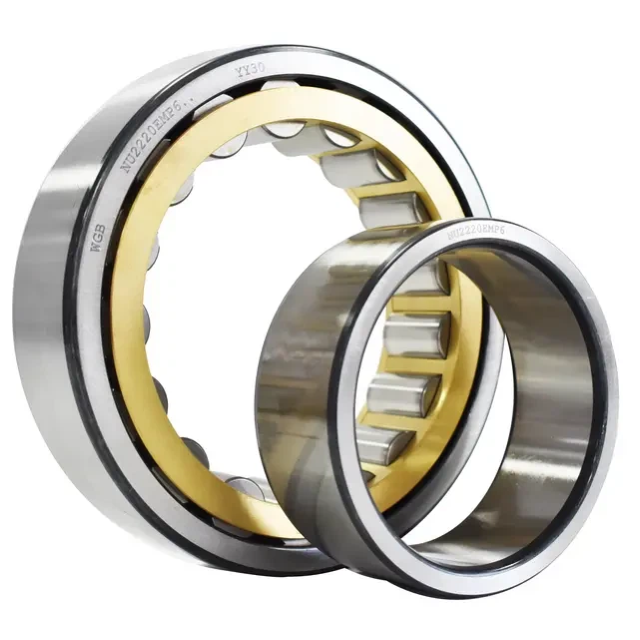
Heavy equipment and construction machinery are typically subjected to harsh working conditions and high loads. Roller bearings play a critical role in ensuring that these machines can operate efficiently and reliably under such demanding circumstances.
Roller bearings are used in cranes to support the heavy lifting components and ensure smooth operation. These bearings must handle both radial and axial loads, as the crane is constantly lifting and moving heavy objects. The durability and load-bearing capacity of roller bearings make them essential for the efficient operation of cranes in construction and manufacturing sites.
In mining machinery, roller bearings are used to support rotating shafts, gears, and other moving parts. Mining equipment operates in harsh environments where dust, moisture, and high temperatures can cause wear and damage to bearings. Roller bearings are designed to perform under these extreme conditions, ensuring that the machinery continues to operate without interruptions.
Industry | Typical Bearing Type | Load Type | Environment |
Automotive | Tapered roller | Radial & axial | Variable temp |
Industrial | Cylindrical roller | High radial | Continuous operation |
Construction | Spherical roller | Heavy radial | Harsh |
In addition to the heavy-duty industrial and automotive sectors, roller bearings also find applications in specialized areas such as aerospace and precision systems, where performance and reliability are critical.
In the aerospace industry, roller bearings are used in components such as landing gear, turbines, and control systems. These bearings must withstand extreme conditions, including high speeds, high loads, and extreme temperatures. The ability of roller bearings to handle both radial and axial loads makes them ideal for aerospace applications, where reliability and safety are paramount.
In precision systems, such as robotics, machine tools, and CNC machines, roller bearings are used to support accurate and controlled movement. These systems require bearings that can operate with minimal friction and high precision, and roller bearings offer the necessary support to ensure smooth and accurate movements in these applications.
In conclusion, roller bearings are critical components in a variety of industries, from industrial machinery to construction and aerospace. Their ability to support high radial and axial loads, reduce friction, and operate in demanding environments makes them indispensable for ensuring smooth operation and enhancing the performance of machinery. At WGB Bearing, we specialize in manufacturing high-performance roller bearings that are designed to meet the rigorous requirements of these industries.
Whether you're in need of cylindrical roller bearings for industrial machinery, or spherical roller bearings for construction equipment, WGB Bearing provides reliable and durable bearing solutions to optimize your equipment’s performance. For more information about our products, visit WGB Bearing Products or contact us today.
1. What are roller bearings used for?
Roller bearings are used to reduce friction, support loads, and facilitate smooth motion in machinery. They are essential in applications such as automotive systems, industrial machinery, and heavy equipment.
2. How do roller bearings differ from ball bearings?
Roller bearings use cylindrical or spherical rollers, which provide line contact and allow them to support higher loads. Ball bearings, on the other hand, use spherical balls that provide point contact, making them more suitable for high-speed, low-load applications.
3. Can roller bearings handle both radial and axial loads?
Yes, certain types of roller bearings, such as spherical roller bearings, are designed to handle both radial and axial loads, making them suitable for various applications.
4. Why are roller bearings important in construction equipment?
Roller bearings are essential in construction equipment because they can handle heavy radial loads and perform efficiently in harsh environments, ensuring that the machinery operates reliably in demanding conditions.