Call Us Today
Call Us Today
A Specialist on Spherical Roller Bearings Since 1969

- All
- Product Name
- Product Keyword
- Product Model
- Product Summary
- Product Description
- Multi Field Search


Views: 0 Author: Site Editor Publish Time: 2026-08-15 Origin: Site


Premature bearing failure rarely stems from material fatigue. Field data shows up to 80% of spherical roller bearing failures originate from lubrication starvation, solid contamination, and excessive operational loads. When sealed units fail early, maintenance teams frequently misdiagnose the root cause by looking only at raceway spalling. True root cause analysis demands a systematic teardown. You must evaluate the interdependent relationship between seal integrity, cage condition, lubricant degradation, and operational loads.
Moving from reactive replacement to proactive reliability requires a structured approach. Proper sealed spherical roller bearing failure analysis breaks down how to interpret specific damage signatures across seals, cages, and lubrication. This guide provides the diagnostic framework needed to determine corrective actions and identify when to leverage specialized diagnostic support.
Contamination Outpaces Fatigue: Most premature failures in sealed units are driven by seal bypass leading to sealed bearing contamination failure, rather than end-of-life subsurface fatigue.
Component Interdependency: Spherical roller bearing cage failure is frequently a secondary symptom of lubrication starvation, excessive loads, or severe misalignment, not a primary manufacturing defect.
Operational Blind Spots: High loads combined with low RPMs frequently cause thin-film lubrication failures that mimic standard wear, requiring careful diagnostic differentiation.
Standardized Evaluation: Utilizing ISO 15243 methodologies ensures a standardized, evidence-based approach to categorizing damage types (e.g., abrasive wear, plastic deformation, thermal degradation).
Strategic Escalation: Complex or recurring failures justify the ROI of partnering with third-party bearing failure analysis support to conduct metallurgical and chemical lab evaluations.
Defining a successful failure analysis means moving beyond the simple observation that a component broke. You must identify the exact mechanical or chemical mechanism that initiated the damage. Common initiators include inadequate oil film thickness, incorrect mounting clearance, or excessive operational loads. Identifying the root cause prevents recurrence and extends equipment uptime. A successful analysis directly links physical damage signatures to operational conditions on the plant floor. If you replace a bearing without changing the operating parameters that destroyed it, you are simply resetting the timer on the next failure.
Utilizing the international standard for classifying bearing damage ensures consistent terminology across maintenance teams. ISO 15243 categorizes damage into six primary modes. Applying this standard eliminates subjective descriptions. Instead of calling a bearing "burnt," technicians classify it under thermal degradation or plastic deformation resulting from lubrication starvation. This standardized classification streamlines the diagnostic process and allows reliability engineers to track failure trends accurately across multiple assets.
ISO 15243 Category | Visual Signature | Common Root Cause in Sealed Units |
|---|---|---|
Fatigue | Subsurface spalling, flaking on raceways | End of operational life, excessive dynamic loads |
Wear | Dull, matte finish, abrasive scoring | Seal bypass, solid particulate ingress |
Corrosion | Rust, etching, dark staining | Moisture ingress, degraded grease additives |
Electrical Erosion | Fluting, micro-cratering, washboard patterns | Stray currents from VFDs grounding through the bearing |
Plastic Deformation | Indentations matching roller spacing | Static overload, improper installation impact |
Fracture | Cracked rings, broken cage bars | Severe misalignment, shock loads, thermal runaway |
You must identify early macro-indicators before disassembly begins. Inspect the external housing for physical damage, fretting corrosion, or signs of extreme heat. Look closely at the seal interfaces. Seal extrusion or heavy grease leakage often points to internal over-pressurization. Check for nicks on rolling element spacings that indicate handling errors during installation. Documenting these external conditions provides context for the internal teardown. Take photographs of the bearing exactly as it sits in the housing before you apply any pullers or torches.
Opening sealed bearings requires strict protocols to avoid introducing secondary damage. Masking indentations or contaminating the internal grease sample ruins the analysis. Follow a rigid extraction sequence to preserve the evidence.
Clean the exterior of the housing and shaft to prevent external dirt from falling into the bearing during removal.
Extract the bearing using appropriate hydraulic pullers, avoiding any direct flame heating that alters the metallurgical structure.
Carefully pry out the seals using non-marring brass or plastic picks to avoid scratching the seal landing zones.
Collect a 10-to-20-gram sample of the residual grease immediately and place it in a clean, sealed container for chemical evaluation.
Wash the internal components with mineral spirits, ensuring no external debris enters the assembly.
Inspect the raceways, rollers, and cage under 10x to 20x magnification with high-intensity directional lighting.
Seal condition dictates the lifespan of the entire bearing assembly. Identify signs of seal lip hardening, which typically results from operating temperatures exceeding the elastomer's limits. Standard Nitrile Butadiene Rubber (NBR) begins to cross-link and harden when exposed to temperatures above 100°C for extended periods. This cross-linking turns the flexible elastomer into a brittle plastic. Once brittle, the lip cannot follow the microscopic runout of the inner ring. A gap forms, and contamination enters. Look for thermal cracking along the contact edge and seal extrusion caused by excessive internal pressure.
Once a seal fails, external elements enter the bearing cavity. Differentiating between types of ingress is necessary for accurate diagnosis. Abrasive wear presents as dull, matte raceways caused by fine particulate ingress acting like a lapping compound. Silica dust, for example, polishes the raceways and removes the internal clearance, causing the rollers to skid. Localized indentations result from larger trapped debris being rolled over by the spherical rollers. Moisture-induced corrosion shows up as etching or rust marks on the raceways. Properly identifying these signatures confirms a sealed bearing contamination failure.
Assessing seal designs involves understanding the trade-offs between friction and protection. Standard contact seals offer lower friction and generate less heat, making them suitable for higher speeds. However, they provide lower protection against heavy particulate environments. Heavy-duty multi-lip seals deliver superior protection against severe contamination. The trade-off includes increased thermal generation and strict speed limitations. You must match the seal design to the specific environmental hazards of the application. A conveyor pulley in a cement plant requires a vastly different seal profile than a high-speed paper machine roll.
Determine when to upgrade seal materials based on the damage observed. If thermal cracking is present, upgrade from standard NBR to Fluoroelastomer (FKM), which handles continuous operating temperatures up to 200°C. If abrasive wear dominates, consider modifying external housing seals to prevent primary ingress before it reaches the bearing seal. Adding secondary flingers, taconite seals, or labyrinth seals often provides the necessary barrier without altering the internal bearing design. Upgrading the external defense extends the life of the internal sealed unit.
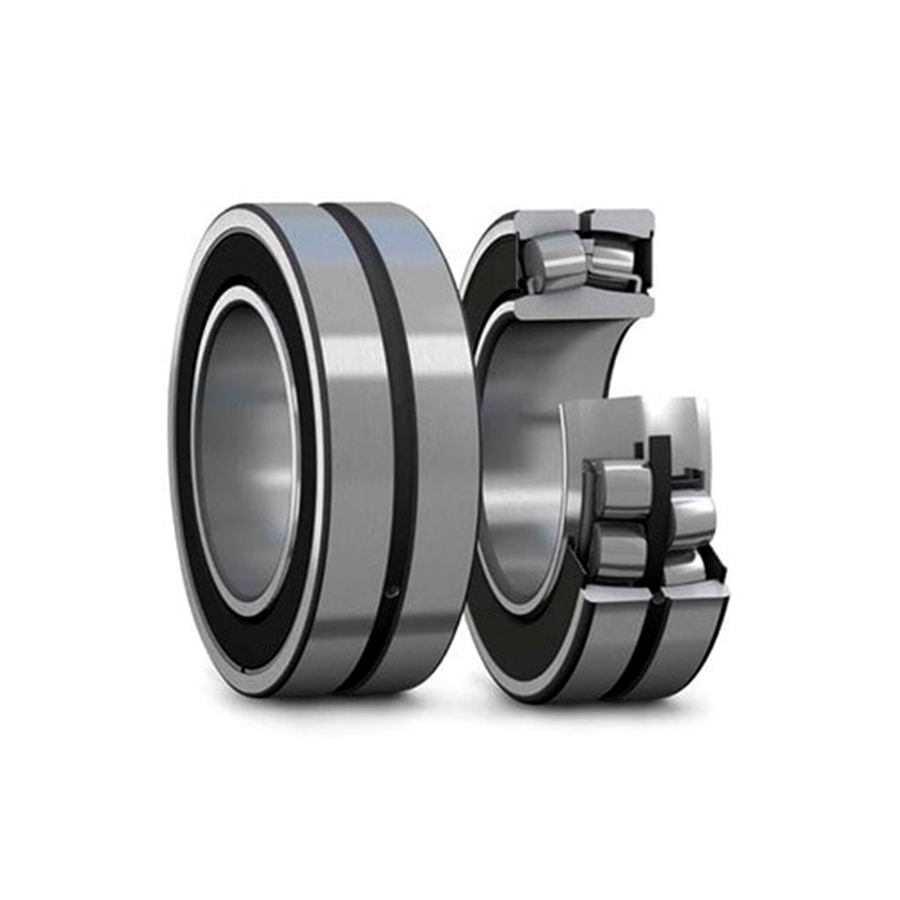
Analyzing cage pocket wear and guide ring scoring detects operational conditions that exceed design limits. Spherical roller bearings accommodate specific degrees of misalignment, typically between 1.5 and 2 degrees depending on the series. When operations exceed this permissible capacity due to bent shafts or settling foundations, the rollers skew aggressively. This skewing forces the rollers against the cage pockets, causing heavy wear and eventual fracture. Dynamic load ratings also play a role. Excessive loads distort the bearing rings, transferring abnormal stress directly to the cage structure.
Distinguishing between brittle fractures and plastic deformation is a critical diagnostic step. Brittle cage fractures often result from shock loads, excessive vibration, or improper handling during installation. The metal breaks cleanly without significant stretching. Plastic deformation typically results from sustained heavy loads combined with lubrication starvation. The cage material yields, stretches, and smears before finally failing. Identifying the failure mode directs you toward either mechanical or lubrication-based corrective actions.
Evaluating the operational limits of different cage materials helps prevent recurring spherical roller bearing cage failure. Each material offers distinct advantages and limitations based on the operating environment.
Stamped Steel (EN 10111): Provides high strength and performs well in standard operating temperatures. It is the default choice for general industrial applications but can suffer in high-vibration environments.
Machined Brass (ZCuZn40Pb2): Delivers superior performance in high-vibration or marginal lubrication environments. The material offers better sliding properties and acts as a sacrificial wear surface, but comes with a heavier weight and higher cost.
Polyamide (PA66-GF25): Offers excellent sliding properties, low weight, and resistance to certain chemicals. However, it has strict temperature limitations (typically degrading above 120°C) and can become brittle in extreme cold.
Inspect the residual grease within the sealed unit carefully. Discoloration, hardening, or severe oil bleeding indicates that operating temperatures exceeded the lubricant's limits. When grease turns black and stiff, the base oil has oxidized or evaporated, leaving behind only the thickener. Improper grease viscosity also causes thermal degradation. The base oil viscosity must provide a specific film thickness to separate the rolling elements from the raceway. If the base oil is too thick, the bearing generates excess heat through fluid friction. If it is too thin, metal-to-metal contact generates heat through mechanical friction.
Recognizing the early signs of metal-to-metal contact prevents catastrophic failure. Look for micro-spalling, glazing, or a frosted appearance on the rolling elements and raceways. Frosting looks like a grey, dull area on the load zone. Under a microscope, it reveals thousands of micro-craters where the metal welded and tore apart due to film collapse. These signatures indicate a breakdown of the elastohydrodynamic lubrication film. High loads combined with low RPMs often create a thin lube film that fails to separate the metal surfaces adequately, requiring a shift to higher viscosity oils or extreme pressure additives.
Evaluate the performance differences between utilizing factory-filled standard grease versus specifying custom, application-specific lubricants. Standard lithium-complex grease covers a wide range of normal operating conditions. However, extreme load or speed profiles demand specialized formulations. Upgrading to a synthetic base oil improves oxidation resistance and extends the thermal operating window. Adding extreme pressure (EP) additives or solid lubricants like molybdenum disulfide protects the raceways during boundary lubrication conditions. Selecting the correct lubricant chemistry directly influences the long-term reliability of the equipment.
Damage often occurs before the bearing ever sees operation. Identify false brinelling, which presents as wear depressions matching the roller spacing. This damage results from improper transit vibration while the bearing sits static on a truck or train. Static corrosion occurs when bearings are stored in high-humidity environments without proper protective packaging. Inspecting bearings immediately upon receipt, rotating them periodically during long-term storage, and storing them flat in a climate-controlled environment prevents these pre-installation failures.
Improper sleeve mounting or excessive drive-up eliminates internal radial clearance. Spherical roller bearings require a specific internal clearance to accommodate thermal expansion during operation. Driving a bearing with a tapered bore too far up a tapered journal expands the inner ring excessively. For example, if you drive a bearing down to 10 microns of residual clearance, thermal expansion during startup will eliminate the rest. This leads to catastrophic preload, premature thermal runaway, excessive internal loads, and subsequent cage failure. You must measure clearance reduction accurately during the mounting process.
Mitigate the risk of introducing foreign particles during the installation of sealed bearings. Even minor contamination during mounting compromises the seal integrity. Never apply direct impact force to the outer ring. Striking the bearing with a hammer causes micro-fractures in the raceways. These microscopic cracks rapidly expand under operational loads, leading to early spalling and catastrophic failure. Always use proper induction heaters or hydraulic presses to mount bearings.
Establish strict, documented installation procedures to ensure baseline reliability. Use hydraulic nuts for controlled, even mounting force on large bearings. Measure clearance reduction continuously with feeler gauges during the drive-up process, adhering strictly to the manufacturer's reduction charts. Ensure all mounting tools, shafts, housings, and the surrounding environment are clean. Training maintenance personnel on these specific procedures drastically reduces the incidence of installation-induced failures.
Define the limits of your visual inspection capabilities. In-house teams can easily identify gross contamination, severe spalling, and broken cages. However, determining the exact chemical breakdown of degraded grease requires laboratory analysis. Scanning electron microscopy (SEM) and Energy Dispersive X-ray Spectroscopy (EDS) identify the exact elemental composition of wear particles in the grease. If EDS detects brass particles, the cage is failing. If it detects silica, the seal failed. Knowing when to escalate the investigation saves time and prevents repeated failures.
Select a diagnostic partner based on specific technical criteria. Look for independence from manufacturers to ensure unbiased reporting. Verify their ISO certifications for laboratory testing. Evaluate their turnaround time, as extended downtime impacts production. Most importantly, ensure they provide actionable reporting. A good diagnostic report does not just list the damage; it provides specific mechanical or chemical recommendations to solve the root cause, such as modifying the housing fits or changing the grease thickener type.
Justify the investment in third-party bearing failure analysis support by comparing the diagnostic effort against the impact of unscheduled downtime. Repeatedly replacing a failed bearing without addressing the root cause drains maintenance resources, consumes expensive spare parts, and halts production. Professional analysis identifies the exact failure mechanism, allowing you to implement permanent corrective actions. Stopping a recurring failure cycle easily justifies the initial diagnostic evaluation.
Quarantine failed bearings immediately upon removal to protect physical evidence from environmental contamination or unauthorized disassembly.
Preserve internal grease samples in clean, airtight containers for chemical analysis and wear debris evaluation.
Measure and document the shaft and housing dimensions using micrometers to rule out improper fits, out-of-roundness, or taper issues.
Implement standardized ISO 15243 inspection protocols across your maintenance department to ensure consistent failure categorization.
Escalate recurring failures on critical assets to specialized diagnostic support for metallurgical and chemical laboratory testing.
A: Seal lip degradation, improper washdown procedures, and the ingress of solid particles leading to abrasive wear and raceway indentations are the primary drivers. When the seal fails, the internal grease becomes contaminated, rapidly accelerating wear.
A: Look for the presence of smearing, metal transfer on cage pockets, and localized thermal discoloration preceding the actual fracture or plastic deformation. Lubrication starvation causes the rollers to drag rather than roll, stressing the cage.
A: Yes, ISO 15243 damage classifications apply to all rolling bearings, though sealed units require specific, careful teardown protocols to accurately assess internal conditions without destroying evidence or contaminating the grease sample.
A: Internal factors are often to blame, such as improper mounting clearance, excessive operating temperatures degrading the factory grease, or thin lube films caused by high loads and low RPMs.
A: Improper storage or transit can cause false brinelling (wear depressions from vibration while static), and direct impact during installation can cause micro-fractures that rapidly expand under operational loads.
A: Escalation is recommended for recurring failures on critical assets, safety-critical applications, or when visual inspection cannot definitively separate material fatigue from marginal lubrication.
A: It depends on the design. There is a strict difference between "sealed for life" units and those with relubrication features. Attempting to grease a sealed-for-life unit risks over-pressurizing and blowing out the seals.